



















Firms structured as limited liability partnerships should ensure their members genuinely have ‘significant influence’ in the business if they want to avoid being taxed as employees, specialist accountants advised yesterday.
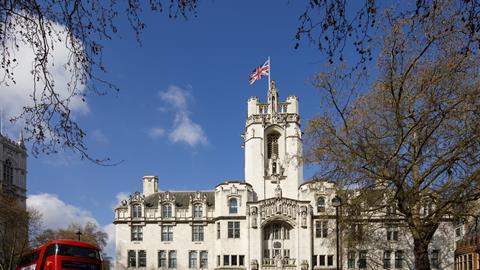
The warning followed the Supreme Court’s ruling that most LLP members of investment management firm BlueCrest should be treated as employees rather than self-employed partners, as the firm claimed.
The ruling sent shockwaves through the City and left BlueCrest facing a £200m tax bill. It also sparked speculation that the government will take the long-awaited decision to close the so-called ‘LLP tax loophole’.
In Commissioners for HMRC v BlueCrest Capital Management, Lord Richards and Lady Simler led a unanimous judgment dismissing an appeal by BlueCrest against a succession of tribunal and court rulings over the tax treatment of 80 investment managers.
Andrew Allen, partner at accountant PKF Francis Clark, said that law firms relying on the ‘significant influence’ argument to secure self-employed status for their fixed share members may need to take action. While the ruling conceded that BlueCrest’s members had ‘significant responsibility’, including over investment decisions, it found that their role in the LLP’s governance was minimal, he said.
Allen recommended that firms structured as LLPs refamiliarise themselves with the relevant technical issues and those relying on ‘significant influence’ revisit those arrangements.





3 Readers' comments