













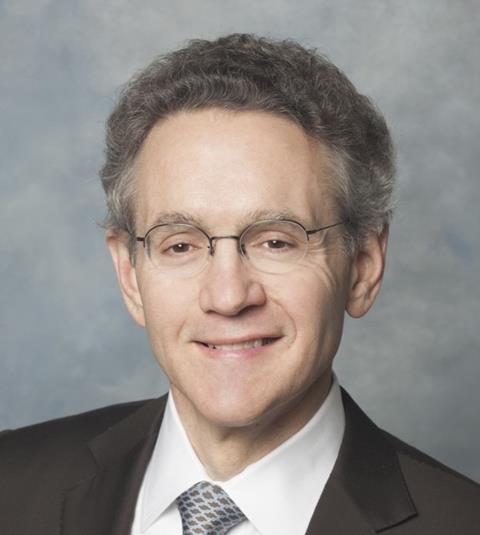
Gregory P. Joseph, one of the most distinguished American trial lawyers of his generation and a figure well known to the international disputes community, died in New York City on 27 February 2026 at the age of 75. Over a career spanning almost five decades, he combined an exceptional litigation practice with major contributions to legal scholarship, helping to shape the development of modern approaches to complex litigation. Most importantly, he combined the highest level of intellectual rigour with kindness and fairness.
Greg was born in Minneapolis, Minnesota on 18 January 1951. He studied at the University of Minnesota, graduating with honours from the University of Minnesota Law School in 1975. After early practice in Minneapolis, he moved to New York in 1980 to join Fried, Frank, Harris, Shriver & Jacobson, where his career rapidly gathered momentum. He was made partner in 1982 and went on to head the firm’s litigation department.
Over more than two decades at Fried Frank, Greg developed a reputation as a formidable trial advocate in complex, high‑stakes disputes. His practice encompassed securities fraud, corporate control contests, intellectual property disputes and federal tax litigation. Colleagues and opponents alike recognised not only his command of detail and evidence, but also his ability to distil intricate factual records into persuasive courtroom narratives.
In 2001, Greg left Fried Frank to establish a specialist litigation firm in New York, later known as Joseph Hage Aaronson LLC. The firm was conceived as a focused disputes practice built around trial work at the highest level. Under his leadership, it became known for handling demanding commercial and regulatory cases and for its emphasis on rigorous preparation and strategic focus.
Greg’s professional reach extended well beyond the United States. In 2013, his firm entered into a transatlantic collaboration with the London disputes boutique Hage Aaronson, founded by Joe Hage and Graham Aaronson KC. Operating under the combined name Joseph Hage Aaronson, the relationship created a platform for handling complex international disputes and reflected Greg’s long‑standing interest in cross‑border litigation and comparative procedure.
Within the American profession, Greg held some of its most senior leadership roles. He served as president of the American College of Trial Lawyers and as chair of the American Bar Association’s Section of Litigation. By appointment of the Chief Justice of the United States, he was also a member of the Advisory Committee on the Federal Rules of Evidence, contributing to the development of evidentiary doctrine in the federal courts. He later served as president and chair of the board of trustees of the Supreme Court Historical Society.
Alongside his advocacy, Greg was a prolific and influential legal writer. His treatise Sanctions: The Federal Law of Litigation Abuse became the leading authority on attorney sanctions in US federal practice and was repeatedly cited by courts, including at appellate level. His other major works included Civil RICO: A Definitive Guide, widely regarded as the definitive text on the civil use of the Racketeer Influenced and Corrupt Organizations Act, and Modern Visual Evidence, which helped bring structured visual presentation into mainstream trial advocacy. Courts frequently acknowledged his scholarly authority; the United States Court of Appeals for the Eighth Circuit described him as 'the leading authority on sanctions law'.
Greg was also a highly sought‑after teacher and lecturer. He spoke regularly at judicial conferences and professional programmes, including for the Federal Judicial Center and the National Judicial College, and addressed judges and practitioners across multiple federal circuits. Through these engagements, he influenced not only practising lawyers but also the judiciary’s approach to evidence and trial management.
Those who worked with him consistently emphasised his role as an exceptional mentor. Despite his professional stature, he remained deeply engaged in the development of younger lawyers and was known for his intellectual curiosity, demanding standards and generosity with time and insight.
Gregory P. Joseph’s career uniquely bridged elite practice, scholarship and institutional service. For lawyers in the UK and elsewhere who encountered his work through transatlantic litigation, professional writing or collaboration, his death marks the loss of a formidable advocate and a significant figure in the modern history of commercial litigation.
He is survived by his wife, Barbara.









No comments yet