


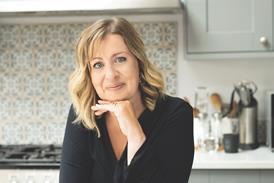













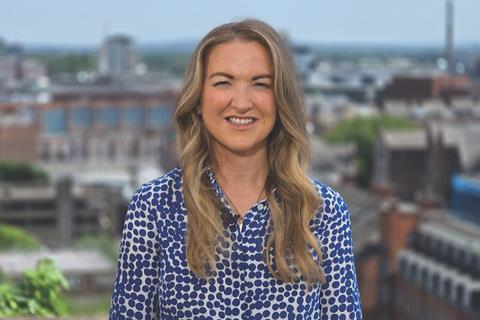
Who? Natalie Cosgrove, medical negligence partner, Ashtons Legal, Leeds.
Why is she in the news? The Ockenden Report, published last week, found that more than 500 mothers and babies suffered potentially avoidable harm or died from ‘systemic failings’ at Nottingham University Hospitals NHS Trust. Cosgrove represents several families affected by those failings.
Thoughts on the case: ‘The report must be a turning point for the trust. For too long, women and families who raised concerns about maternity care were met not with compassion, but with dismissal, discrimination and closed doors. This was not simply a failure of individual practice; it was a failure of culture, leadership and accountability. Safe care must now be the minimum expectation, not an aspiration, and families need evidence that lessons are being implemented, monitored and sustained. A public inquiry is essential to expose how these failures were allowed to continue, who knew what and when, and why warnings were not acted upon. Historical senior leaders must be held accountable, not shielded by process or distance. Families deserve truth, transparency and meaningful change.’
On behalf of Nottingham University Hospitals NHS Trust’s board, chair Nick Carver apologised for the trust’s failures and pledged ‘ongoing improvement, open and transparent, independently led governance of that improvement and the long-term engagement of families’.
Dealing with the media: ‘This has been an evolving skill, beginning on the steps of Nottingham Town Hall with Gary and Sarah Andrews reading their statement, post-inquest. I learned to trust journalists such as Shaun Lintern at The Times and Victoria Macdonald, Channel 4, with families’ stories, knowing how much was at stake. The shift in belief from the media/public has been huge, but it has often felt like turning a barge: slow, difficult and requiring constant persistence. That persistence, particularly from Jack and Sarah Hawkins, and their enduring drive for accountability, is why we are here.’
Why become a lawyer? ‘My dad would probably say it was inevitable. Apparently, even at four, I loved to argue. Over time, that became a desire to help people through difficult moments. I am a product of my dad, an immigrant from Ireland, teaching me about social injustice.’
Career high: ‘Every time a family tells me I’ve made them feel heard and believed is a pure joy.’
Career low: ‘The judgment in Paul, which has restricted access to justice for fathers and partners. Too often, they are left without proper routes to support or redress for their psychological injury.’









No comments yet