




















Managing partner, Kent
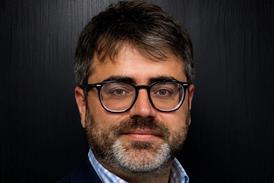
Daniel Bonich was shortlisted for a Law Society legal hero award this year. A former chair of the Criminal Law Solicitors’ Association, he was shortlisted for supporting criminal defence solicitors and legal aid lawyers through policy work to improve legal aid funding, disclosure guidance and access to resources.
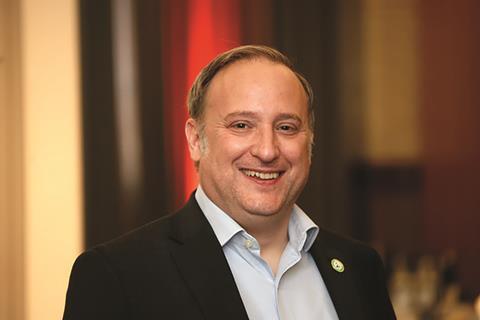
‘It was surprising and an immense honour,’ he says. ‘It’s nice for a criminal lawyer to get some recognition. Crime is not usually recognised in these types of things. You hear a lot about pro bono work, immigration, environmental or big public law things. But you do not hear much about crime. We’re not fashionable. We’re not a cause that people rally around generally.’
Daniel initially set out to become a barrister and did a bar vocational course. Penelope Barrett, a criminal defence barrister, told him to choose his career path carefully. If he wanted to help people, do crime or family law. If he did not want to deal with people, do commercial or contractual work. ‘I wanted to help people,’ Daniel says.
After failing to secure pupillage on his first attempt, he decided to bolster his CV with law firm experience and applied to three firms. One of those firms was Stokoe Partnership Solicitors, where he worked for 12 years and became a solicitor. He joined Clarke Kiernan in 2013.
On how he became involved with the CLSA, Daniel says the senior partner of Clarke Kiernan, Dennis Clarke, was a long-standing member. They had a conversation but nothing apparently came of it. He went on holiday and got an unexpected phone call. ‘I was walking along the beach. I was congratulated for my election to the CLSA committee that I didn’t know I had been nominated for.’
'We’re public servants but without the benefits of being directly employed by the government. We provide an essential public service and it seems it’s getting more and more essential every day'
Daniel became treasurer under Zoe Gascoyne’s leadership. He was vice-chair under Bill Waddington for three years, before leading the group for five years. ‘There was a lot going on. It was about the time of the criminal legal aid review. The committee thought there was some continuity needed at that stage.’ His final year coincided with criminal defence solicitor Richard Atkinson’s tenure as president of the Law Society. ‘He and I had a good relationship’. Daniel then stepped away ‘so fresh blood could come in’.
On chairing the CLSA during Covid, he recalls being part of a four-strong group chaired by Lord Justice Edis, which made recommendations on how the courts would carry on running during the pandemic. ‘We published a report that led to those Perspex screens, spacing, using bigger courtrooms. We recommended Nightingale courts.’ Daniel was also involved in developing a joint interim interview protocol with the Law Society and London Criminal Courts Solicitors’ Association. The protocol enabled remote interviews to take place in custody suites.
Another proud achievement: identity cards to help CLSA members get into court. ‘We have all whinged about how we are treated differently when we get to court. The bar had just introduced their app. I said, “if they’ve got theirs, why can we not have ours?” I latched on to what the bar were doing.’
Daniel’s day job is varied. He deals with several areas of practice: white-collar crime, bribery, regulatory and disciplinary proceedings, criminal litigation with a particular focus on laundering, fraud, drug trafficking and complex confiscation, as well as civil litigation. ‘I cannot get away from an interesting case.’
He is still a member of several committees. On how he juggles both, he says: ‘You can only do that if you have an exceptional team. I have an amazing business partner in Catherine McCarthy who does the day-to-day running of the firm and an amazing team behind me who I trust to get on with the work.’
If he could make one change about life in criminal law, what would it be? ‘How criminal legal aid solicitors are perceived by the government and the public. I want the government to recognise it’s an important job. What I always say to people is, we’re public servants but without the benefits of being directly employed by the government. We provide an essential public service and it seems it’s getting more and more essential every day.’












No comments yet