



















Partner, Birmingham and Manchester
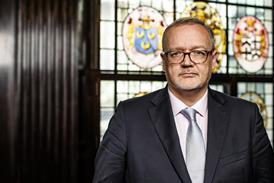
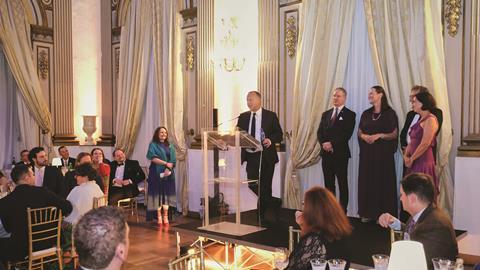
Philip Banks was recently named Lawyer of the Year by the Pan European Organisation of Personal Injury Lawyers, a network that promotes cooperation between PI lawyers and access to justice for injured people across Europe. He received the award for his ‘extraordinary commitment’ to injured people and international PI law.

It is quite the achievement for the Irwin Mitchell partner, who did not embark on a legal career until his late 20s. ‘In the days when I was thinking, “What am I going to do?” Careers advice was pretty thin on the ground. I did a geography degree.’
In his 20s, Banks worked in business and travelled around. Along the way he met some lawyers and, seeking a challenge, decided to give law a go. He did a conversion course, known as the Common Professional Examination, and then the LPC. ‘I did the CPE part-time while I was working evenings and weekends. I decided to throw the dice and stop working to do the LPC full-time. I was 30 when I did that.’
He did his training contract at a small firm in Retford. He then moved to Birmingham and did legal aid crime and PI work at a firm in Walsall. ‘I wanted to specialise in personal injury, so I moved to a firm in Leamington Spa. I ended up joining Irwin Mitchell on 1 January 2000.’
'I can provide some reassurance that things do get better for the client and help them with their journey to rehabilitation'
Why did he want to specialise in PI? ‘It sounds like a bit of a cliche, but I have always wanted to help individuals and make a difference. I think PI work does that.’ Banks’ team represents clients who have suffered serious, sometimes life-changing injuries in incidents such as road traffic collisions, accidents at hotels or workplace incidents abroad. ‘The work we do can really make a difference, helping to secure funds for rehabilitation and put their lives back together as much as we can.’
Banks acted in X v Kuoni, a landmark package holiday case that established that tour operators can be held responsible for sexual assaults committed by hotel or cruise ship staff. ‘We lost at trial in the county court. We appealed. We went to the Court of Appeal and lost there. We appealed to the Supreme Court. The case was referred to the Court of Justice of the European Union. That court found in our favour. It was sent back to the Supreme Court. The Supreme Court made a judgment in our favour. Since then, it has paved the way for similar cases. It was a trailblazer.’
Banks also represented passengers and crew following the Costa Concordia disaster, in which a cruise ship capsized off Italy in 2012, resulting in 32 deaths and several injuries.
Asked about the personal impact of his work, he says: ‘You are always affected every time you see a new client. Hopefully, I can be there and provide some reassurance that things do get better for the client and help them with their journey to rehabilitation as much as possible’.
One change that would make his life easier? ‘Closer ties with the EU that we certainly had before. If you had an injury crossing a road or while travelling around Europe, we had the option to bring a claim in England, which you still can but it’s not as clear cut as it used to be. When we left the EU with Brexit, the rights of UK citizens to bring a claim in the UK courts were not part of the so-called “oven-ready” deal. There is case law that says you can still bring a claim in England if it is appropriate to bring it. But every single time, the judge has to weigh it up. It’s additional legal steps.’











No comments yet